
An agri-township, not just a farm.
A sector focused on integrated food-production and processing complexes, combined with purpose-built communities for the workforce that runs them.
Hoima Plantation, Uganda — not a farm, not a factory. A complete economic ecosystem.
Uganda's population is projected to exceed 63 million by 2030 — a 66% boom from current levels. Even at fully optimised production with current methodologies, the country will face a 16% food production deficiency by 2030, with the local market currently operating at only around 50% efficiency. That gap is the commercial opportunity.
Hoima Plantation is a vertically integrated food-production and processing complex combined with a fully planned worker township, designed to close that gap at scale rather than incrementally.
The Uganda food imperative.
A structural gap between current output and required output — not a cyclical one.
Population Growth
Uganda's population is projected to exceed 63 million by 2030, with agriculture receiving a static 5% of the national budget and limited expansion incentive.
Hoima District Baseline
The site sits in one of Uganda's most productive agricultural zones — cassava, maize, sweet potatoes, rice and bananas already move tens of thousands of tonnes a year through the district.
Global Export Opportunity
With 155 million people in acute food insecurity globally and recurring supply-chain failures in developed markets, Uganda's natural growing methods and central East African position are a structural advantage.
The Commercial Gap
A market operating at roughly 50% efficiency, against a growing population and a static agricultural budget, is the core opportunity The Plantation is built to address.
A competitive advantage matrix, not just a cheaper option.
| Factor | Uganda Advantage | Competitor Comparison |
|---|---|---|
| Land Cost | Significantly below regional benchmarks for comparable land | Kenya: 3–5x more expensive |
| Labour | Skilled agricultural labour at competitive monthly cost | South Africa / Namibia: several times higher |
| Climate | Equatorial — year-round growing, no heating required | Southern Africa: seasonal constraints |
| EAC Market Access | Tariff-free access to six East African Community partner states | Non-EAC members face 25%+ tariffs |
| Land Availability | 300 contiguous hectares available | Comparable parcels unavailable in Kenya/Rwanda |
| Water | Lake Victoria basin — abundant groundwater | Namibia/South Africa: water scarcity risk |
A complete production and processing ecosystem.
Each component is designed to reinforce the others, from field to export market.
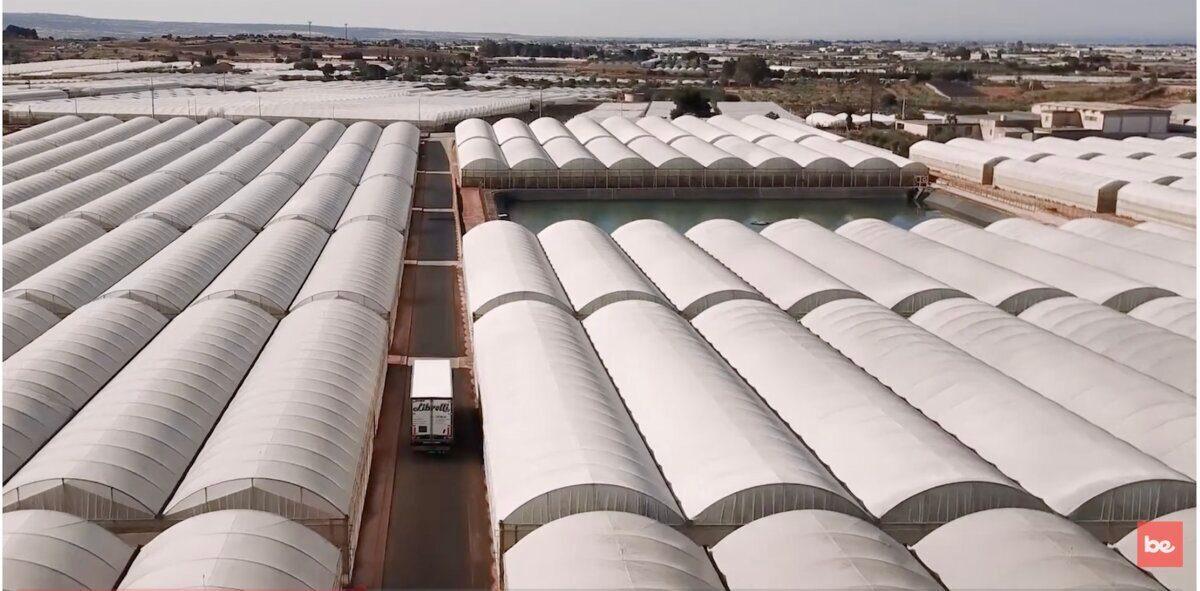
Greenhouse Cultivation
A large covered-growing complex producing premium fresh produce for both domestic and export markets, using proven greenhouse technology.
Export Cash Crops
Avocado, cashew and macadamia plantations targeting established international demand in the EU, Asian and Middle Eastern markets.
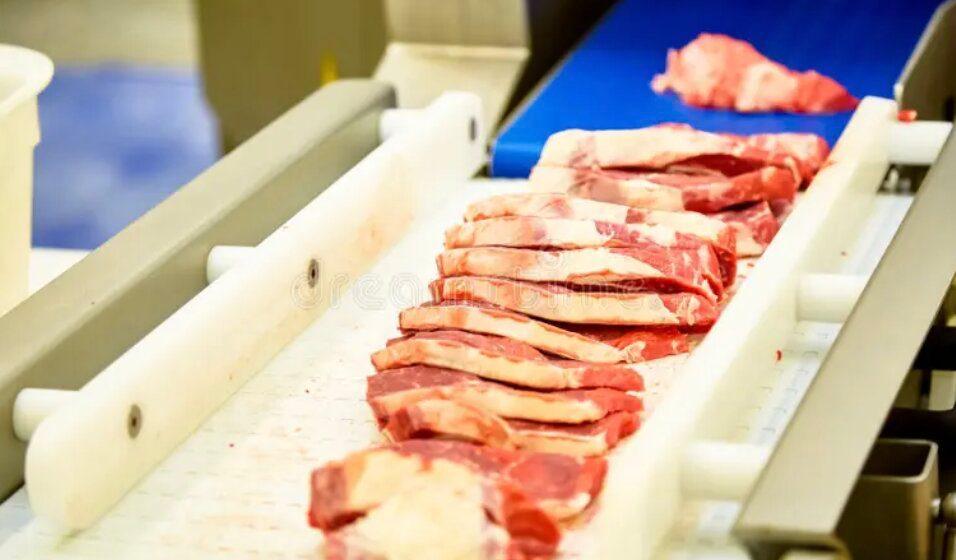
Livestock Processing
Beef and poultry processing facilities built to international certification standards, addressing a significant local processing gap.
Outgrower Programme
Formal supply agreements with smallholder farmers, providing inputs, training and guaranteed offtake — extending the project's reach and impact.
Worker Township
Phased housing, a clinic and schools for the workforce and their families, addressing the retention challenges common to large agribusiness projects.
Logistics Advantage
Proximity to a major new regional airport under construction gives the project a meaningful edge on export freight costs and timing.

A structural advantage, not just a convenience.
The site sits directly in the catchment of a major new international airport under construction to support the region's oil fields, refinery and crude pipeline — none of which is contingent on this project, meaning The Plantation inherits world-class logistics infrastructure it does not have to fund itself.
Because oil-sector contractors typically charter aircraft on a round-trip basis and pay the full cost regardless of what the return leg carries, outbound cargo capacity on these flights becomes available at a heavily discounted rate — a rare, near-term opportunity to export high-value produce and meat internationally at a fraction of normal air-freight cost.
Uganda has the largest cattle population in East Africa, yet exports less than 2% of it.
That gap exists almost entirely because of a near-total absence of processing infrastructure. The Plantation's beef facility is designed as the anchor processing node for Western Uganda's beef sector, built to international halal, HACCP and EU export certification standards, with a targeted 10x increase in output by Phase 3.
An automated packaging facility connects every production division — greenhouse produce, cash crops from outgrowers, and protein from the beef and poultry lines — to export and retail markets, with automated sorting, vacuum and MAP packaging, QR-code traceability and cold storage.

The social infrastructure that makes it commercially viable.
In African agribusiness, workforce instability caused by inadequate housing and services is the single greatest operational risk — The Plantation removes it by building the community alongside the enterprise.
Residential Programme
2,000 residential units delivered over 10 years in phased tranches aligned with workforce expansion — investment-grade infrastructure, not social housing.
Township Infrastructure
Internal road network, borehole wells and water treatment, a 2MW solar microgrid with diesel backup, and a biogas digester converting processing waste to cooking gas.
Healthcare
A resident-staffed clinic serving the workforce and surrounding community within a 10km radius.
Education
A primary school in Phase 1 and a secondary school in Phase 2, staffed and operated as part of the project's social licence commitment, alongside a community centre and covered local market.
Biodiesel and carbon revenue, built on the same infrastructure.
An oil-seed pressing operation converts agricultural by-products into biodiesel for on-site use, with surplus sold to the regional transport market — and the seed cake by-product doubles as a high-protein feed supplement for the poultry operation.
Greenhouse operations, the biodiesel programme and climate-smart outgrower practices generate verifiable emission reductions, registerable under recognised carbon credit frameworks — an additional revenue stream that grows as the operation scales.
"Uganda's food production gap is the commercial opportunity — Hoima Plantation is built to close it at scale."
Greenhouse cultivation, export cash crops, livestock processing, an outgrower programme, and a purpose-built worker township are designed to reinforce one another rather than operate as separate businesses — a single integrated platform built around a structural, multi-decade gap in Uganda's food system.
Other Sectors
Luxury Hub · Waste Treatment · Energy & Petroleum · Precious Metals
Interested in Hoima Plantation?
Get in touch for the full investment prospectus and current project status.
Contact Us