
Thirty years engineering the machines behind recovery.
A sector dedicated to industrial and urban waste treatment infrastructure — turnkey design, engineering and construction, with references across multiple regions.
Recovery Works
For over 30 years, Recovery Works has designed and built machines and plants for the treatment of industrial and urban waste, accumulating references across multiple regions and supplying high-quality equipment for a wide range of services.
The approach is built around mechatronics and a "solution provider" model — every process is oriented toward inventing and building functional equipment that changes the way clients work, with immediate, measurable advantages rather than incremental improvements. Engineering here isn't only mechanical: it's financial, managerial and operational, aimed squarely at the client's competitive advantage.
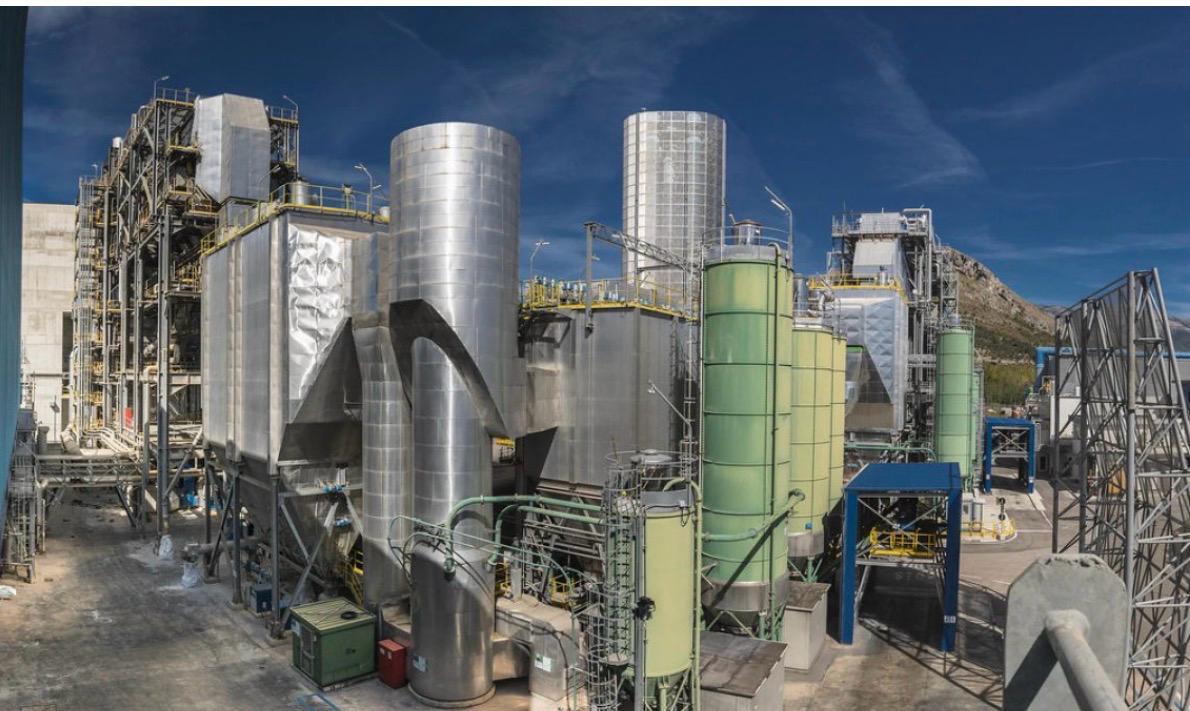
Perfection is a mentality.
When you decide to give your best, both the result and the perspective change. It isn't about surprising others — it's about working in the best possible way for the client. That standard is applied consistently, project after project, and it's a large part of why references keep accumulating across regions rather than staying local.
The benchmark isn't the competition. It's engineering itself — ING., in the fullest sense: not only mechanical engineering, but financial, managerial and maintenance engineering too. Market need drives every technical and financial solution built, not the moves of competitors. The client sits at the center of that process, and every piece of equipment exists to give them an immediate, measurable advantage.
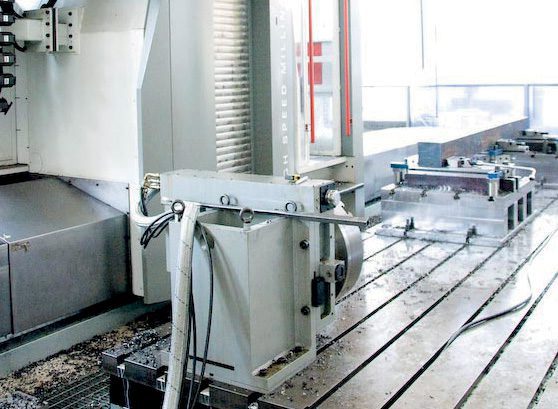
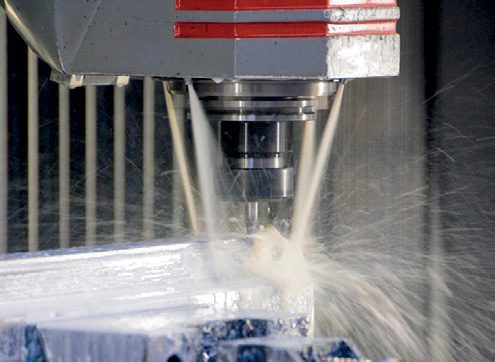
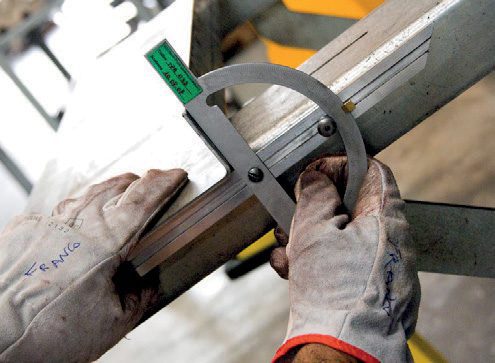
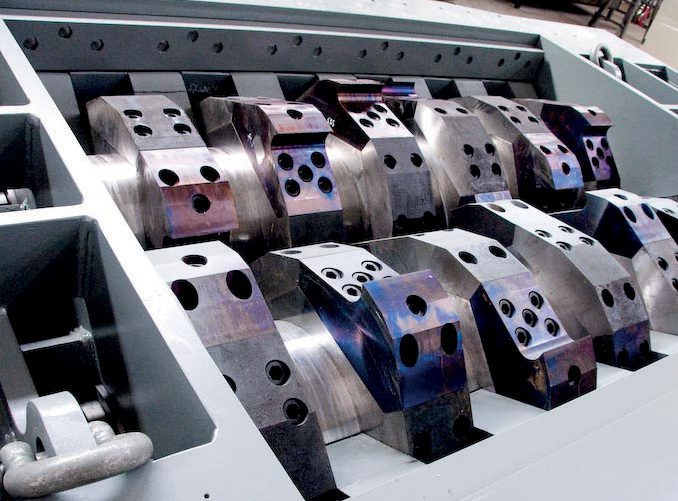
Paper mill pulper & braid treatment.
Recovery Works designs and builds turnkey plants that treat production waste from paper mills. Unique in their category, the plants process the waste continuously, recovering up to 90% of the materials it contains — paper fibre, plastic, metals and the water that would otherwise go to disposal.
It's the sector's clearest example of the underlying philosophy: a genuine engineering problem, solved with equipment built specifically for it, converting what was previously a disposal cost into a recovered, sellable material stream.
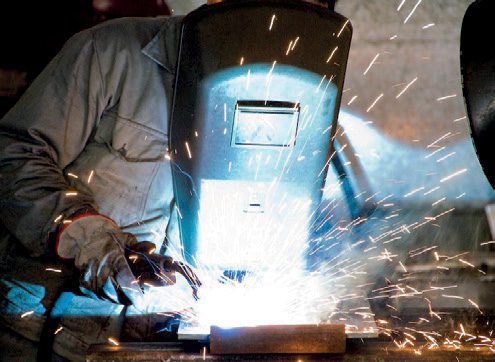
A broad base of waste-stream expertise.
Different waste types, one engineering discipline underneath.
WEEE Treatment
Dedicated lines for waste electrical and electronic equipment, recovering components and materials under strict handling standards.
Refrigerator Treatment
Equipment for the safe, compliant treatment of end-of-life refrigeration units, handling refrigerant gases and materials responsibly.
Plastic Treatment
Processing lines that convert plastic waste streams that would otherwise go to landfill into recoverable, reusable material.
Municipal Solid Waste Treatment
Equipment for the treatment of urban solid waste, built to handle the scale and variability of municipal waste streams.
Iron Treatment
Dedicated iron recovery equipment, extracting ferrous material for resale back into industrial supply chains.
Post-Consumer Tyre Treatment
Processing lines for end-of-life tyres, converting a historically difficult waste stream into recoverable rubber, steel and fibre.
RBF Plant
A specialised plant type within the Recovery Works range. Details pending confirmation — placeholder text, not yet verified for publication.
Environmental sustainability matters — but not on its own.
Economic and social sustainability come first: without them, the rest doesn't hold up.
Supplier Evaluation
Careful evaluation and control of suppliers to ensure environmental respect is upheld through every stage of production, not only the final one.
Community & Resources
Human and financial resources are allocated to prevention and environmental protection strategies, working actively with local communities and authorities.
Regulatory Compliance
Full commitment to compliance with applicable laws and regulations, treated as a floor rather than a target.
Staff Training
Ongoing involvement, awareness and training of staff on environmental issues, embedding the standard into daily operations.
Continuous Improvement
Every production process is analysed for environmental impact, aiming at continuous performance improvement with minimum impact.
Wellbeing of the Workforce
A commitment to reducing water and raw-material consumption sits alongside an equally firm commitment to the wellbeing of the people who run the plants.

"Zero accidents. Zero occupational illnesses. Zero environmental incidents."
Alongside the engineering, Recovery Works holds itself to that standard on the plant floor too. To date, it has held across every metric that matters.
Other Sectors
Luxury Hub · Agricultural Platform · Energy & Petroleum · Precious Metals
Interested in Waste Treatment?
Get in touch for details on current plant references and project status.
Contact Us