
Water is the one resource nothing else substitutes for.
A sector dedicated to large-diameter well drilling and water purification systems, bringing safe drinking water to communities cut off from existing distribution networks.
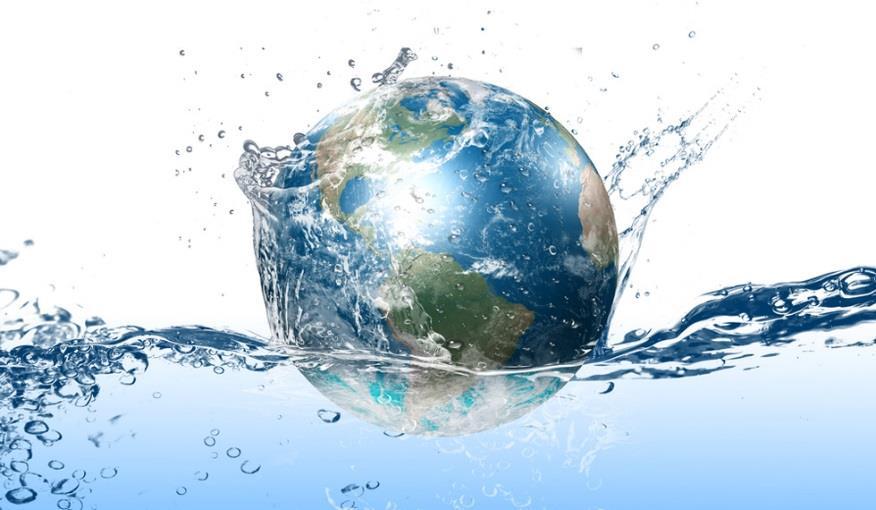
Water is the one resource nothing else substitutes for.
Every other sector in the portfolio depends, directly or indirectly, on a stable water supply — for the people who run it, and the communities around it. AquaWorks exists to make that supply reliable in the places where it's hardest to secure.
AquaWorks — extraction and purification, under one independent system.
Water covers 70% of the Earth's surface, but only 3% of it is fresh, and only around 1% is suitable as drinking water. Under current climate conditions — more frequent droughts, shifting rainfall patterns — sub-surface water has become the predominant source, brought to the surface through natural springs or by drilling and pumping groundwater held in aquifers.
Extraction and purification are almost never handled by a single plant, because they require entirely different technologies — and in many regions, communities are isolated from the main water distribution network altogether. AquaWorks was built to close that gap: a single system that drills, stores and purifies water in one independent installation, developed on decades of specialist drilling and foundation engineering experience.
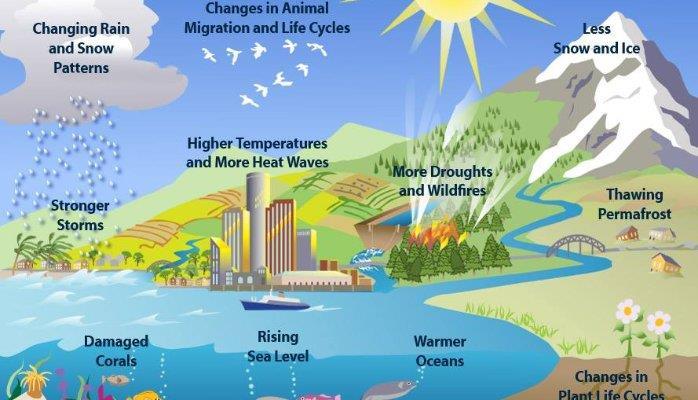
The urgency behind the gap has grown.
Shifting rainfall patterns, more frequent and more prolonged droughts, and rising temperatures are changing where and how communities can rely on surface water — pushing groundwater from a backup source to, in many regions, the primary one.
Small-diameter drilling was never built for community-scale demand.
Conventional well technology carries five compounding limitations.
No Inspection Access
Small-diameter wells can't be physically inspected, making faults difficult to detect before failure.
Limited Reliability
Soil displacement and external factors undermine well stability — estimated lifespan of a conventional well: 6 months to 2 years.
Extraction Capped by Diameter
The amount of water extracted is proportional to well size — a community of 10,000 people will never be served by a single small-diameter well.
Logistical Limitations
Supplying and transporting piezometric tanks, pumps and supporting materials is difficult in remote areas — a factor that drives efficiency down further.
Evaporation Loss
Surface exposure to sun has a major impact on system efficiency, with significant water lost before it ever reaches the community.
Reverse Circulation Isn't Universal
Large-diameter reverse-circulation drilling relies on injecting large amounts of water during drilling — not possible in very arid areas, which is often exactly where wells are needed most.


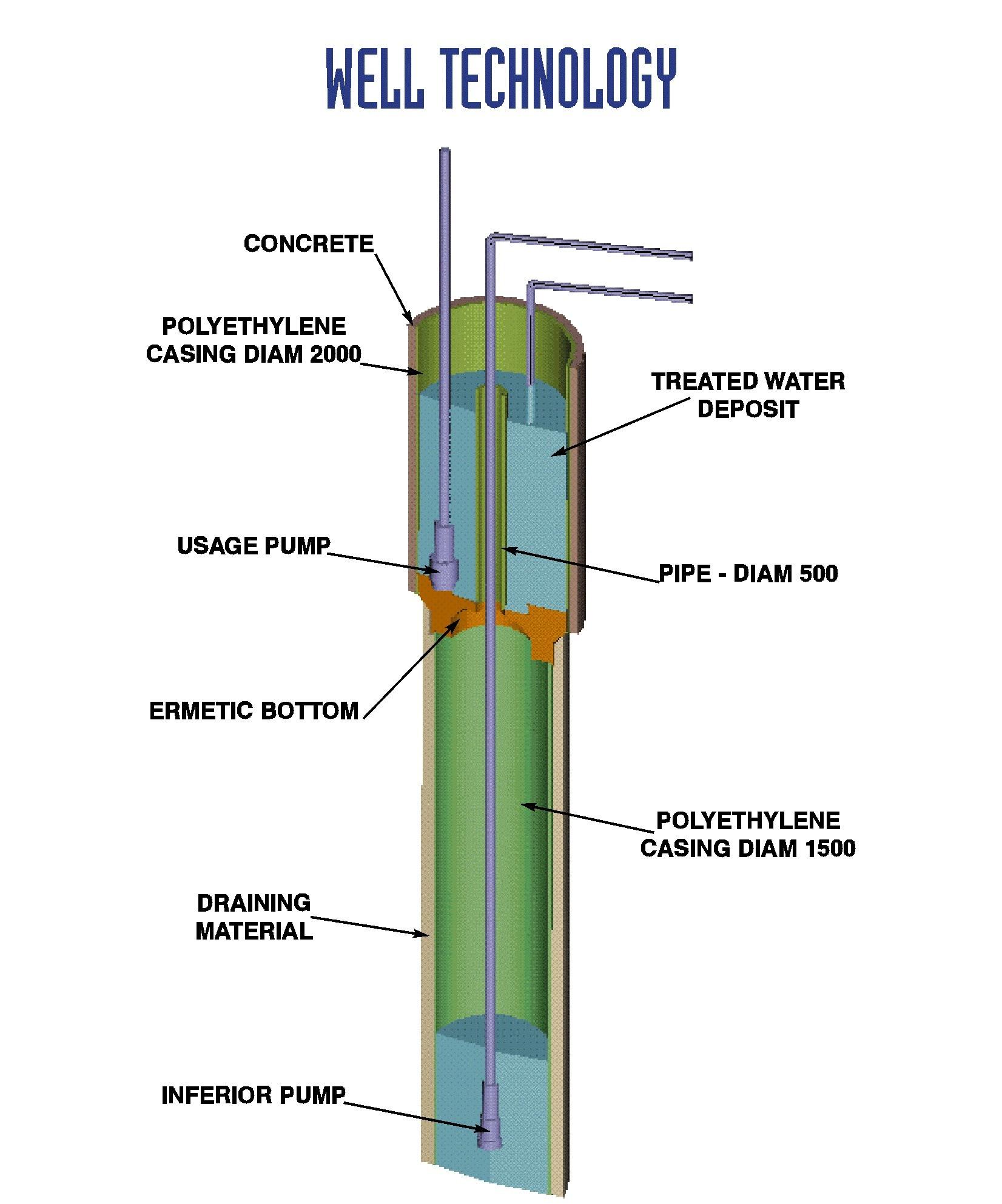
Two sections, one hermetic well.
A typical AquaWorks well is composed of a first section up to 4,000mm in diameter and up to 50 metres deep, reinforced externally with concrete and a non-toxic polyethylene lining — this section stores previously purified water, sealed against contamination from surrounding groundwater. It can hold up to roughly 160 cubic metres, constantly replenished by the automatic pumping and filtration system.
A second, slightly narrower section — down to around 1,500mm in diameter — extends to depths of up to 500 metres to extract water from deeper aquifers, lined with a non-toxic, permeable material and draining material on the outside. A hermetic door separates the two sections. Once drilled, the new well is pumped for 2–3 weeks to activate any aquifers adjacent to the primary one.
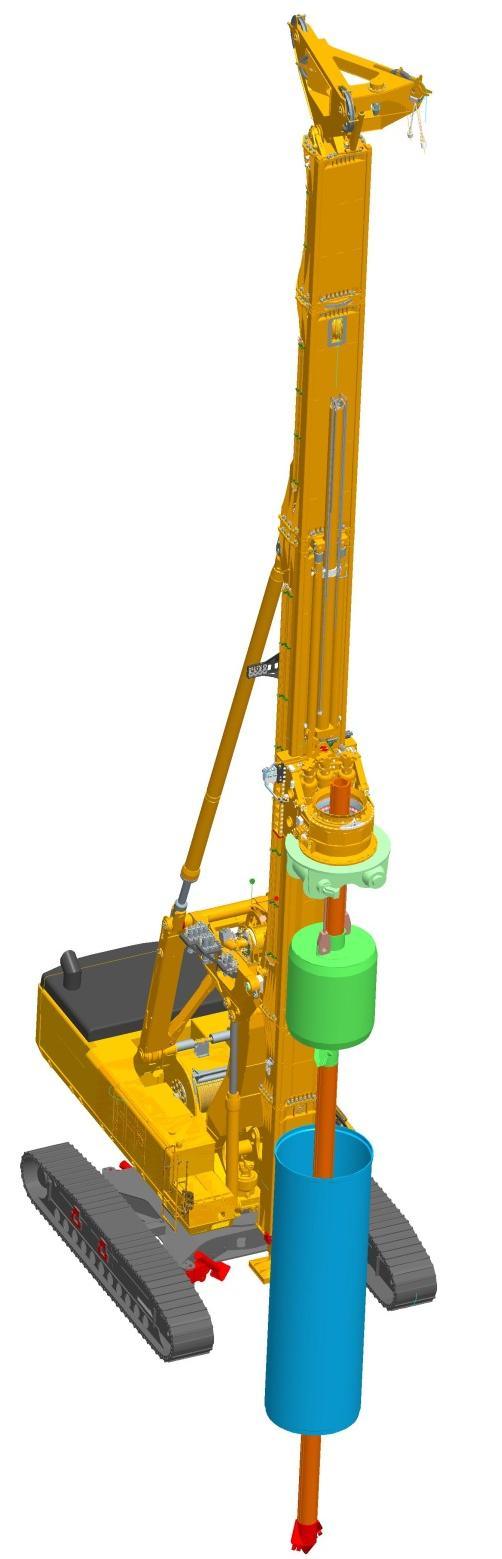
From drill head to distribution, in one continuous cycle.
A rotary drive at the surface turns the drill stem, which carries a carrier canister and drill tool down through the ground to the target depth. Once the well is formed and cased, a pump at the bottom pushes extracted water up to the purification system, and the treated water is returned to the first section for storage. From there, water for the community is either collected directly on site or connected into an existing distribution network — with a small, easily transportable piezometric tank handling final delivery pressure where needed.

| Approach | Small-Diameter Drilling | Reverse Circulation (Large Diameter) | AquaWorks System |
|---|---|---|---|
| Inspection Access | Not possible | Limited | Full access for inspection and servicing |
| Estimated Lifespan | 6 months – 2 years | Moderate | Long-term, concrete and polyethylene reinforced |
| Arid-Region Suitability | Limited | Requires large water injection — not viable in very arid areas | Purpose-built for arid and remote conditions |
| Extraction Capacity | Limited by diameter | Improved, but logistically complex | High enough for a 10,000-person community from a single well |
| Evaporation Loss | Significant — surface exposure | Significant — surface exposure | Near-eliminated — sealed underground storage |
Extraction alone isn't enough.
Water defined as undrinkable contains heavy metals, arsenic, antimony, boron and selenium, and organic pollutants such as organic halogen compounds, benzene and trihalomethanes — contaminants that require purification, not just access.
Reverse Osmosis
Systems built on reverse osmosis technology meet drinking water needs while controlling maintenance costs, energy costs and production loss.
Reduced Energy Consumption
Latest-generation membranes working at reduced pressure, with inverter systems for pump modulation, keep energy and operating costs down.
Meets WHO Standards
Systems are built to meet microbiological, chemical and radioactivity parameters set by the World Health Organization.
Monitored, Automated
Operating parameters are monitored locally and remotely, with automatic shutdown if a threshold is exceeded.
Seawater & Desalination
The same reverse osmosis architecture can be configured for seawater and brackish water desalination in coastal, arid regions, with an optional energy recovery system cutting energy needs by up to 70%.
Automatic Bi- to Mono-Osmosis
Systems switch automatically between bi-osmosis and mono-osmosis operation depending on demand, without manual intervention.
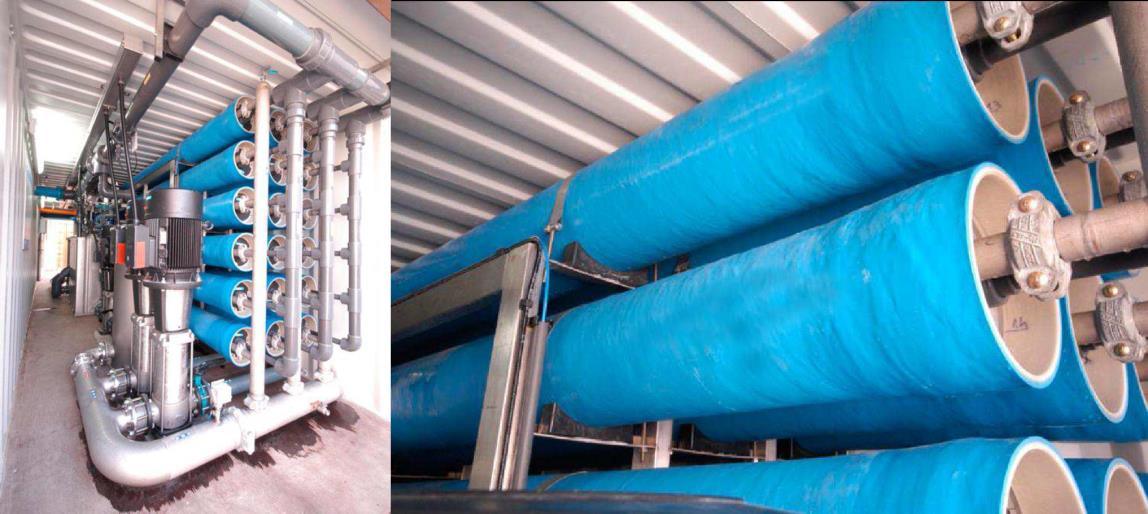
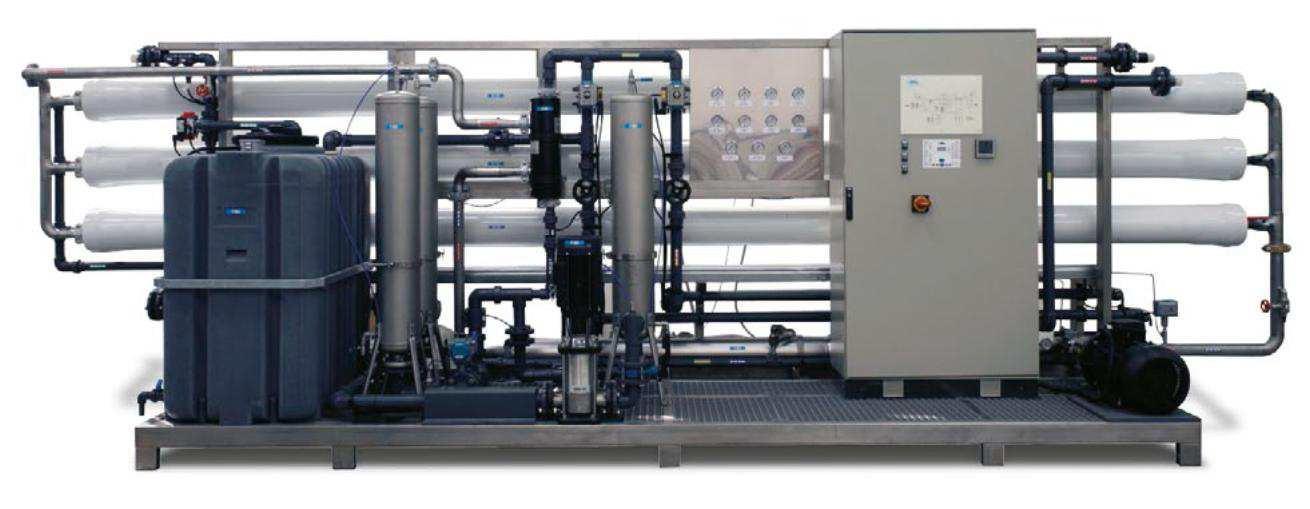
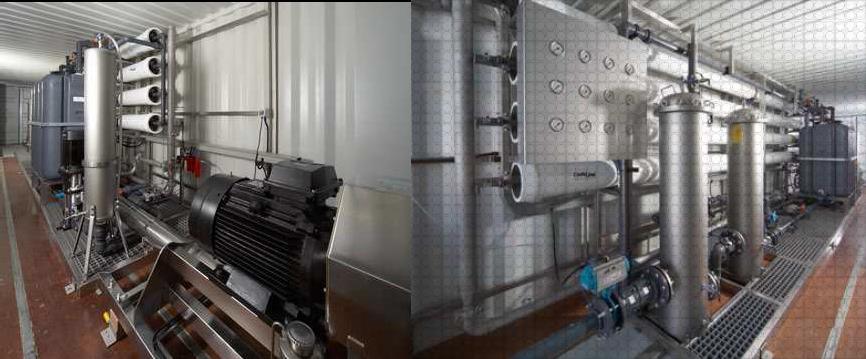
Fully assembled on skids for easy transport and installation.
Each reverse osmosis system is equipped with activated carbon filtration, micron filtration, ultrafiltration, UV sterilisation, a scale-inhibitor dosing system, reverse bi-osmosis, and automatic membrane flushing and chemical cleaning — with continuous, automatic operation and a tracking log for events occurring both locally and remotely. Systems can be delivered fully containerised, ready to connect and commission on site with minimal local infrastructure.
Two drilling systems, matched to depth.
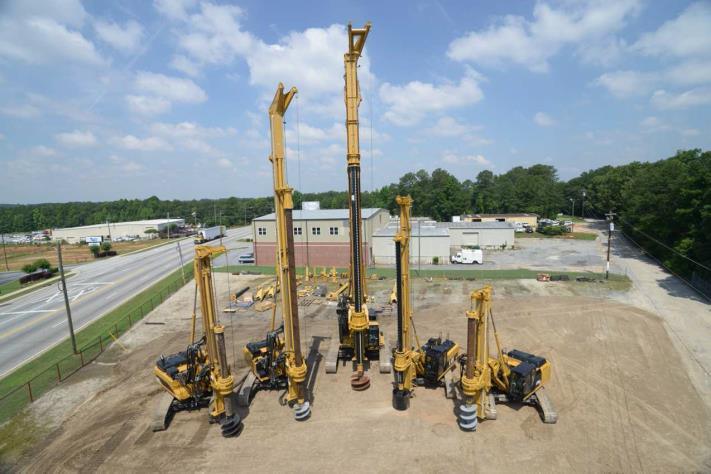
A primary rig handles wells to roughly 110 metres, covering the construction of the well itself and the main storage reservoir. For deeper aquifers, a second, heavier rig extends reach to 250 metres using a reverse-circulation system, or to 500 metres using direct circulation — brought in only where the water table requires it.
The full industrial system includes generators with submersible pumps, trucks equipped with on-board compressors and crane capacity, 4x4 support vehicles for personnel, a complete containerised reverse osmosis unit, and a stock of spare parts sized to the deployment.
Matched equipment for every stage of deployment.
Multiple rig configurations are maintained to match site conditions and depth requirements — from primary construction rigs to the deeper-reach systems brought in for challenging aquifers, all built for rapid mobilisation to remote sites.


From order confirmation to a working pilot well.
Site Assessment
Soil stratigraphy and water-table depth are evaluated first, determining the exact equipment configuration needed for the site.
~90 Days to Ship
Materials are typically dispatched within an average of 90 days from order confirmation, depending on site-specific requirements.
30–45 Days Transit
Transit time depends on the logistics available for the destination country and local customs requirements — transport to the final site is coordinated with the requesting party.
Local Training
Assembly, drilling and installation require at least 5–6 specialised operators. With the pilot well, local personnel are trained to operate the system independently going forward.
The same large-diameter drilling discipline, applied more broadly.
The engineering behind AquaWorks extends to other sectors that rely on the same core drilling technology.
Oil & Gas Pre-Wells
Pre-well drilling for exploration and production support, to depths of around 33 metres, using the same large-diameter capability.
Energy Distribution
Piling for power lines and pipeline infrastructure, supporting the physical foundations that energy distribution networks are built on.
Foundations
Civil engineering piles from 200mm to 3,000mm diameter, and residential-scale piling under 200mm, from the same underlying drilling platforms.
Deployment and technical support, wherever the water table requires it.
The drilling and purification systems behind AquaWorks are designed for logistics as much as engineering — modular, containerised and built to reach remote sites where conventional infrastructure doesn't extend.

Africa sits at the centre of the current deployment programme — the combination of groundwater scarcity, rapid population growth and limited existing well infrastructure makes it the priority region for AquaWorks, alongside a wider technical support network spanning the Americas, Europe and Asia.
"Storing water underground eliminates the evaporation effect — and with it, a very large share of what conventional systems simply lose."
Underground storage removes evaporation loss almost entirely, saving an estimated 40–60% of the water that conventional exposed systems lose to the sun. The combined effect of large-diameter drilling with an integrated storage-and-purification design gives AquaWorks a significant efficiency advantage over conventional single-purpose systems — for a similar level of investment, delivering meaningfully more usable water, and meaning fewer wells are needed to meet the same community's needs.
Other Sectors
Luxury Hub · Agricultural Platform · Waste Treatment · Energy & Petroleum · Precious Metals